INTERTEX MILANO
  • HomeHome
  • The FairLa fiera
    • GreenTAGreenTA
    • Trends, Information & TechnologyTendenze, informazione e tecnologia
    • VenueSede
  • VisitorsVisitatori
    • Why VisitPerché visitare
    • AccommodationDove dormire
    • How to Get ThereCome arrivare
    • VIP Buyer ProgramProgramma VIP Buyer
  • ExhibitorsEspositori
    • Exhibitor LoginAccesso espositori
    • Product CategoriesCategorie di prodotto
    • 2026 Exhibitor ListLista espositori 2026
    • Why ExhibitPerché esporre
    • Official Freight ForwarderSpedizioniere ufficiale
  • ConferencesConferenze
  • MediaMedia
    • 2026 GalleryGalleria 2026
    • Press ClippingsRassegna stampa
    • NewsNotizie
  • Sponsors & PartnersSponsor e partner
  • ContactContatti
November 9, 2026

C&A and Zalando back fibre made from agricultural residues

C&A and Zalando back fibre made from agricultural residues
November 9, 2026

C&A and Zalando have joined the Altag Fiber Club as its first brand signatories, giving an agricultural-residue fibre a route into two European retail supply chains. Fashion for Good and materials developer AltMat announced the commitments on 3 November. Both retailers plan to produce their first styles using the fibre, with Zalando participating through its private labels. The announcement gave no order volumes or dates for the garments to reach customers. Fashion for Good announcement

Why retailers are pooling demand

AltMat makes Altag from residues left by food, medicinal and other crops grown for uses outside textiles. That gives farmers’ existing crops another potential outlet. The club, launched in June 2025, brings buyers and suppliers together around shared development work and minimum order commitments. For a mill evaluating a new fibre, demand from several buyers can make it easier to justify time on sampling and trials, especially when a single brand’s first order is too small to support a dedicated production run. Fashion for Good’s Fiber Club project

The idea has a precedent. Fashion for Good’s earlier club worked with textile recycler Circ and the nonprofit Canopy on recycled lyocell. Zalando described that programme as a way for brands to combine demand and work towards shared fabric specifications. The Altag initiative applies a similar purchasing model to a different feedstock. Its commercial test is whether a material made from crop residues can meet the requirements of manufacturers and retailers across repeat orders. Zalando on its earlier Fiber Club participation
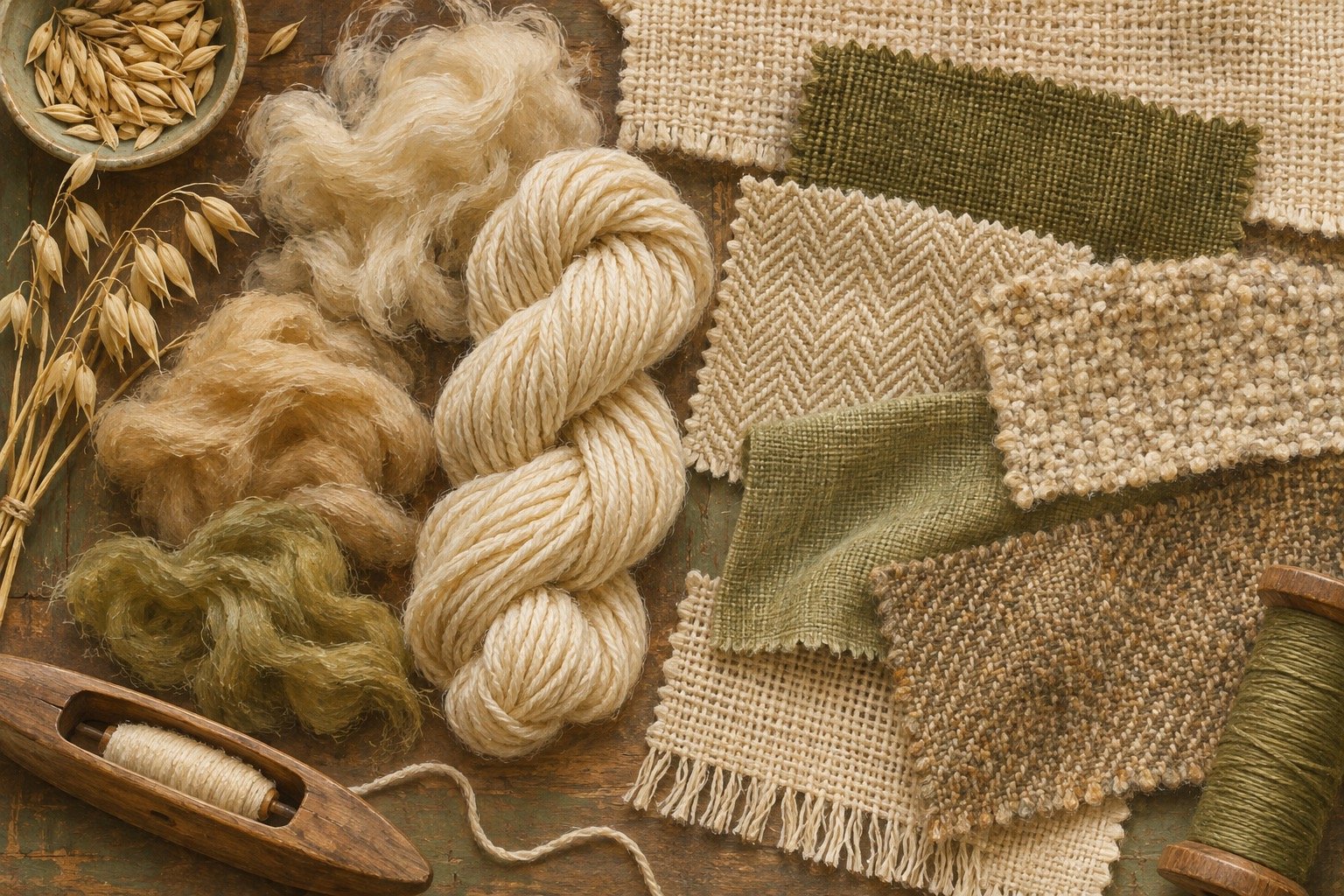
Loose plant fibres, spun yarn and woven swatches on a sample bench

What mills and buyers will need to prove

Early retail styles will give suppliers specific targets for cost, appearance and performance. Spinners will need to see how the fibre behaves on their equipment and in blends. Fabric makers will need to establish how consistently it takes colour and performs after finishing. Brands can then test whether the resulting garments hold up in wear and washing. Results may vary with the blend, fabric construction and intended use, so a promising trial for one style may offer limited guidance for another.

Feedstock consistency also matters. Agricultural residues are collected at different times and can vary by crop and location. For buyers assessing supply at scale, questions include how the material is graded and stored, how batches are traced and whether the finished fibre meets agreed specifications from one delivery to the next. Claims about environmental benefits will also need evidence that accounts for collection, transport and processing, as well as the previous use of the residues.

The first styles will show where C&A and Zalando think the material fits. Repeat orders and disclosed production volumes would give mills and other buyers a clearer indication of how far the approach can scale.


Previous articleWest and Central Africa seek investment to turn more cotton into textilesIllustration of cotton bolls, yarn cones and indigo woven fabricNext article Dutch survey finds a trust gap in clothing recyclingHands placing folded garments into a textile collection bin

Recent news

Lenzing commits €27 million to specialty nonwovens fibers in AlabamaNovember 19, 2026
Filatex India nears commissioning of textile-to-textile recycling plantNovember 16, 2026
Dutch survey finds a trust gap in clothing recyclingNovember 12, 2026
Italian Fair Service
The organizer:
ITALIAN FAIR SERVICE
Galleria San Babila 4/C, 20122 Milano, Italia
Tel. +39 345 404 9979 / +39 380 588 4031
info@intertexmilano.com
CONTACT US
CO-ORGANIZER:
Pyramids Fair
UNDER THE PATRONAGE OF:
European Commission
INSTITUTIONAL PARTNERS:
CCIU CCIB Camera di Commercio Italo-Costaricense Italian Chamber of Commerce in the Philippines Italian Chamber of Commerce in Egypt Ciao Africa Embassy of Ukraine in Italy
Iraq Italy Business Council (IIBC)
Espositore
FOLLOW US
PR AGENCY
LP Attitude
MEDIA PARTNERS
HubStyle AA The Style Lift Textile Daddy Textures FashionUnited The Platform CasaBenessere
NETWORK PARTNER
Front Row Community
OFFICIAL FREIGHT FORWARDER
I-SPED
Gabriele Antonini
gabrielea@isped.com
With the contribution of:
Regione Lombardia
INTERTEX MILANO
Gestisci Consenso
Per fornire le migliori esperienze, utilizziamo tecnologie come i cookie per memorizzare e/o accedere alle informazioni del dispositivo. Il consenso a queste tecnologie ci permetterà di elaborare dati come il comportamento di navigazione o ID unici su questo sito. Non acconsentire o ritirare il consenso può influire negativamente su alcune caratteristiche e funzioni.
Funzionale Always active
L'archiviazione tecnica o l'accesso sono strettamente necessari al fine legittimo di consentire l'uso di un servizio specifico esplicitamente richiesto dall'abbonato o dall'utente, o al solo scopo di effettuare la trasmissione di una comunicazione su una rete di comunicazione elettronica.
Preferenze
L'archiviazione tecnica o l'accesso sono necessari per lo scopo legittimo di memorizzare le preferenze che non sono richieste dall'abbonato o dall'utente.
Statistiche
L'archiviazione tecnica o l'accesso che viene utilizzato esclusivamente per scopi statistici. L'archiviazione tecnica o l'accesso che viene utilizzato esclusivamente per scopi statistici anonimi. Senza un mandato di comparizione, una conformità volontaria da parte del vostro Fornitore di Servizi Internet, o ulteriori registrazioni da parte di terzi, le informazioni memorizzate o recuperate per questo scopo da sole non possono di solito essere utilizzate per l'identificazione.
Marketing
L'archiviazione tecnica o l'accesso sono necessari per creare profili di utenti per inviare pubblicità, o per tracciare l'utente su un sito web o su diversi siti web per scopi di marketing simili.
  • Manage options
  • Manage services
  • Manage {vendor_count} vendors
  • Read more about these purposes
Visualizza le preferenze
  • {title}
  • {title}
  • {title}