The Cotton Partnership launched an investment drive on 29 October to expand textile and garment manufacturing in West and Central Africa. Announced during the World Trade Organization’s Global Aid for Trade Review, the initiative aims to help five cotton-producing countries retain more of the value generated after the fibre leaves the farm. It covers Benin, Burkina Faso, Chad, Mali and Côte d’Ivoire, known collectively as the C-4+.
The partnership, co-convened by the WTO and the United Nations Industrial Development Organization (UNIDO), is looking to connect investors with projects across the cotton, textile and garment supply chain. The opportunity extends from turning lint into yarn to producing fabric and making finished clothing. Each stage opens a different market for producers, with its own requirements for equipment, skills, finance and customers. WTO launch announcement
From cotton exports to manufacturing
The October launch builds on Africa Textile Invest, a platform introduced in March at the WTO’s ministerial conference in Yaoundé. It gives prospective investors a single point of contact for comparing industrial zones, workforce and infrastructure profiles, market access conditions and early-stage investment opportunities. It also connects them with national counterparts and partner support on finance and compliance. UNIDO’s account of the platform launch and Africa Textile Invest
A baseline assessment by UNIDO and the International Trade Centre identified up to US$12 billion in potential investment commitments over a decade, including US$5 billion from the private sector, according to the WTO. These figures describe the scale of the opportunity assessed by the partners. The October announcement did not establish that this capital had been secured or that the facilities had been built. WTO investment figures
What international buyers will watch
For textile mills and apparel brands, the campaign could open new sourcing relationships. A dependable regional yarn supply could give fabric makers an additional option, while mills and garment factories located closer together could make it easier to coordinate sampling and production. Whether those benefits materialise will depend on commercially viable volumes, consistent quality and delivery performance. Buyers will also need to assess traceability, working conditions and environmental compliance against their own requirements.
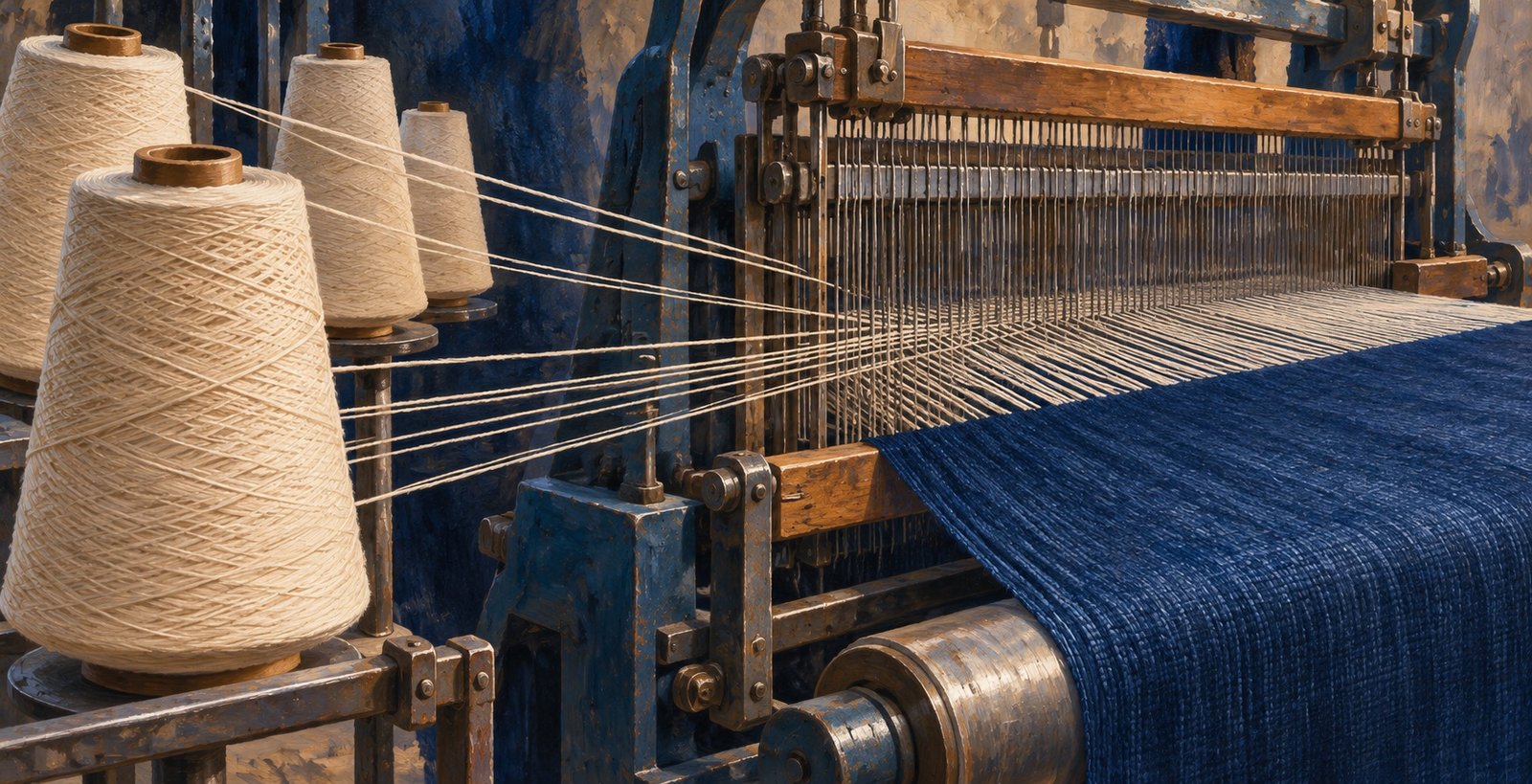
The needs differ along the chain. A spinning mill needs reliable power and fibre with consistent specifications. Fabric production adds another set of challenges, particularly where dyeing and finishing require dependable water supply and treatment. Garment manufacturers need trained operators and a steady flow of orders to keep lines busy. Investment in one stage is more likely to translate into repeat business when suppliers and buyers can plan around the capacity available at the next.
The next milestones will be concrete projects that reach financing, facilities that move into production and sourcing agreements that bring in repeat orders. Those developments would show where the region is starting to capture more value from its cotton and which parts of the supply chain can serve international buyers at scale.